Key takeaways
- Wood is a plant material and breaks down in compost. Plastic cutlery does not.
- If there's no compost collection at your venue, put used wooden cutlery in general waste.
- Cornstarch (PLA) cutlery generally needs an industrial composting facility, so check what your waste collector accepts.
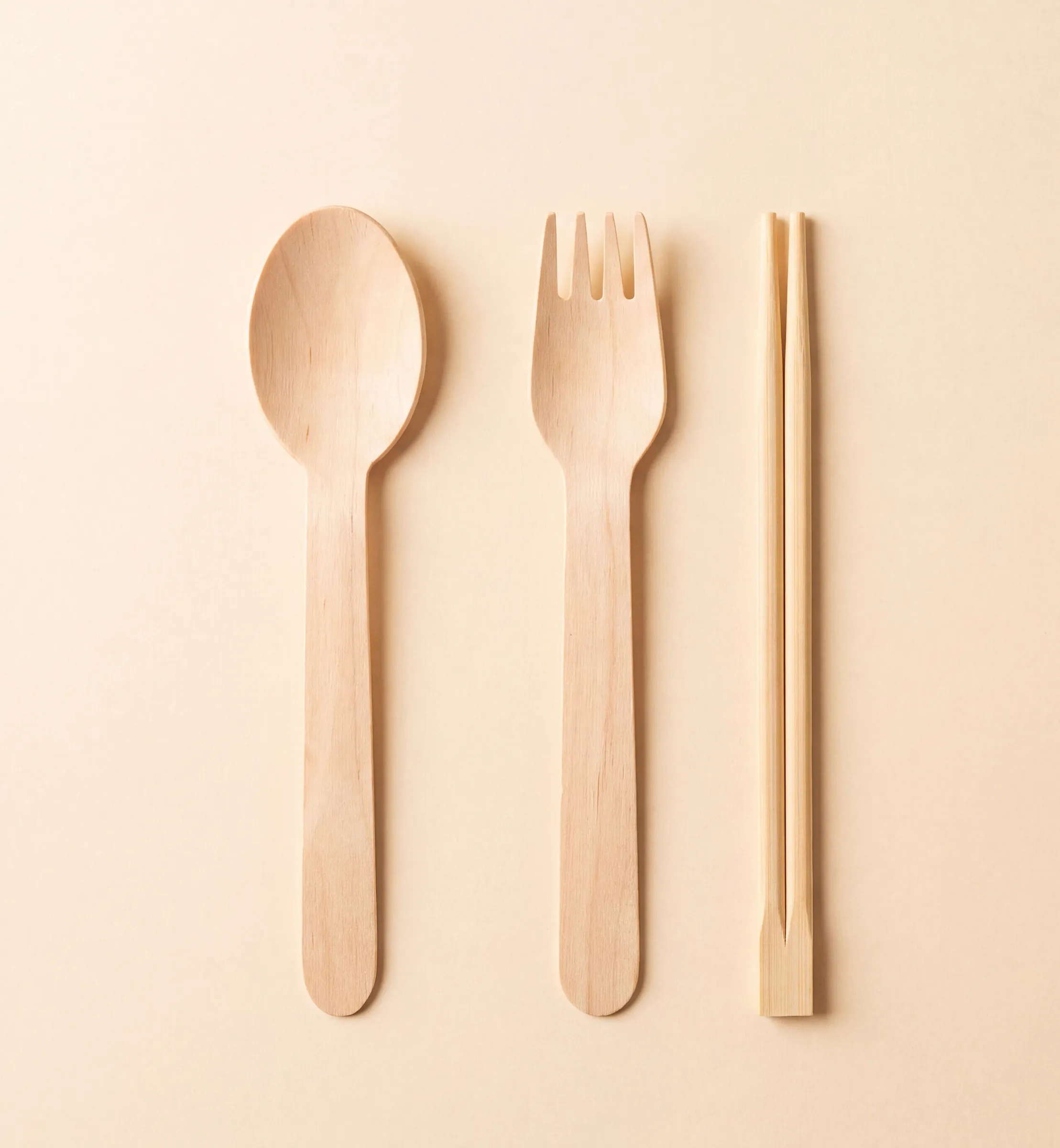
- Satva's cutlery is wood, not areca leaf: a spoon, fork and chopsticks, 2,000 per pack, to go with its areca leaf plates and bowls.
Plastic spoons and forks are still common at events and in takeaway. For event planners, cafés and caterers weighing up wooden cutlery, the question is a practical one: is wood the better material to throw away after a meal?
This guide answers that plainly, compares wood with plastic and other plant-based options, and explains how Satva's wooden spoon, fork and chopsticks fit alongside areca leaf plates and bowls.
The short answer
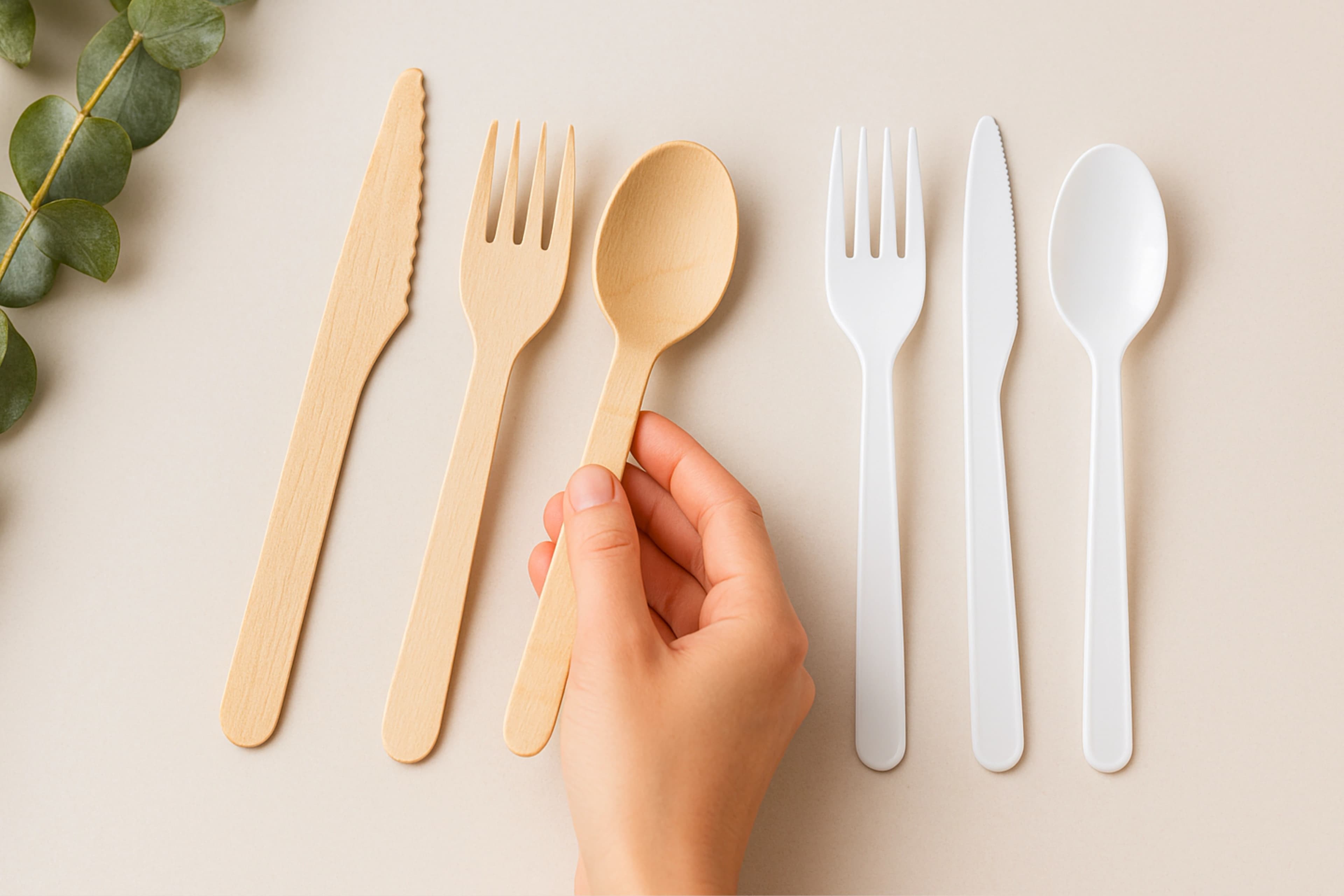
Wood is a plant material and breaks down in compost. Conventional plastic cutlery is made from fossil-based polymers and does not. So at the end of a meal, wood is the simpler material to deal with.
That comes with two conditions:
- It needs to reach compost. Wood breaks down in compost, not in a sealed bin bag. If there's no compost collection at your venue, put used cutlery in general waste.
- It is still single use. Wooden cutlery replaces plastic piece for piece. It is not meant to be washed and put back out.
What to weigh up as a business
- Feel. Wood is light, with a matte, dry feel that is different from smooth plastic.
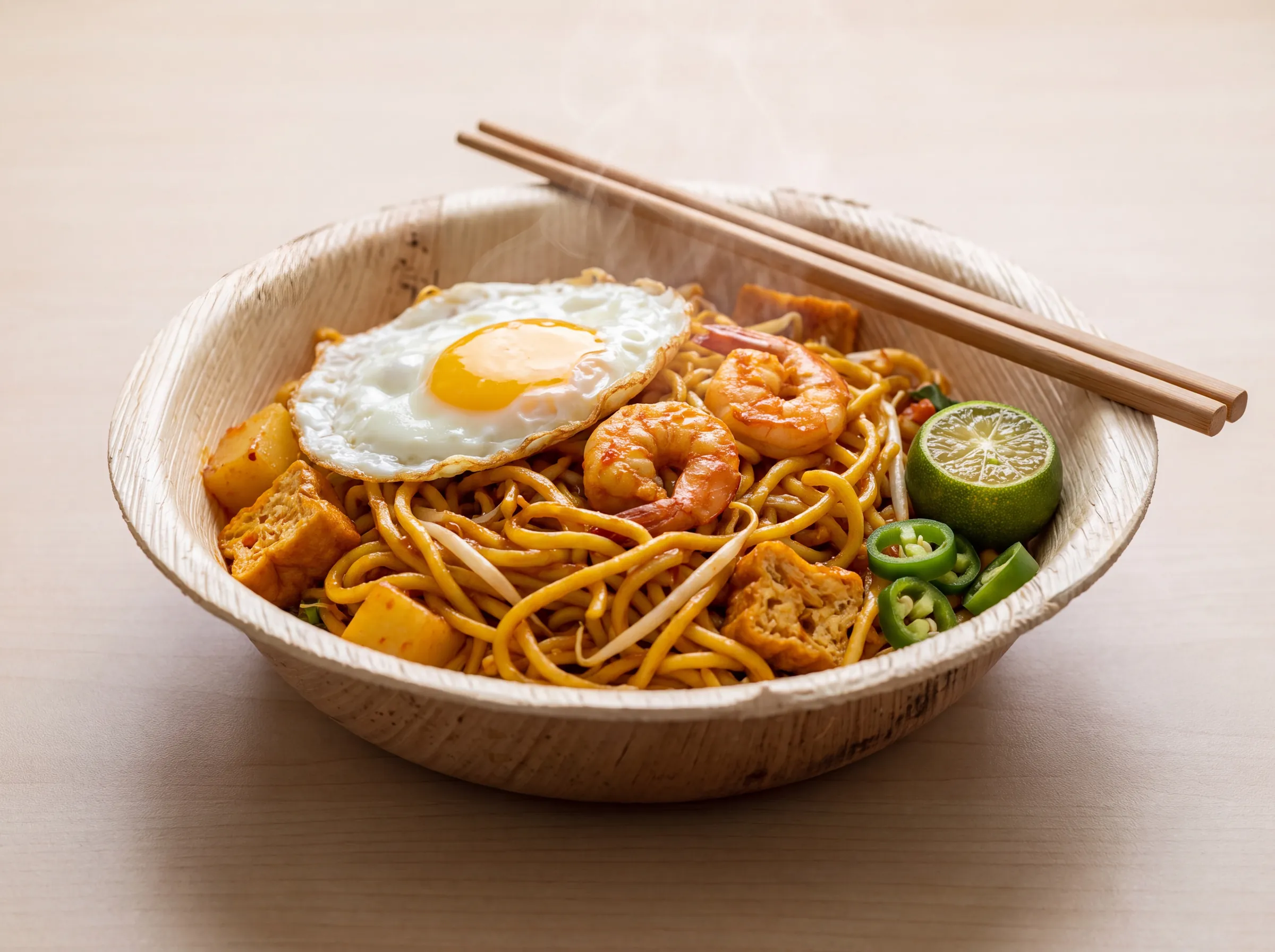
- Menu. Match the piece to the food: chopsticks for noodles and rice sets, spoons for laksa and curries, forks for salads and mains.
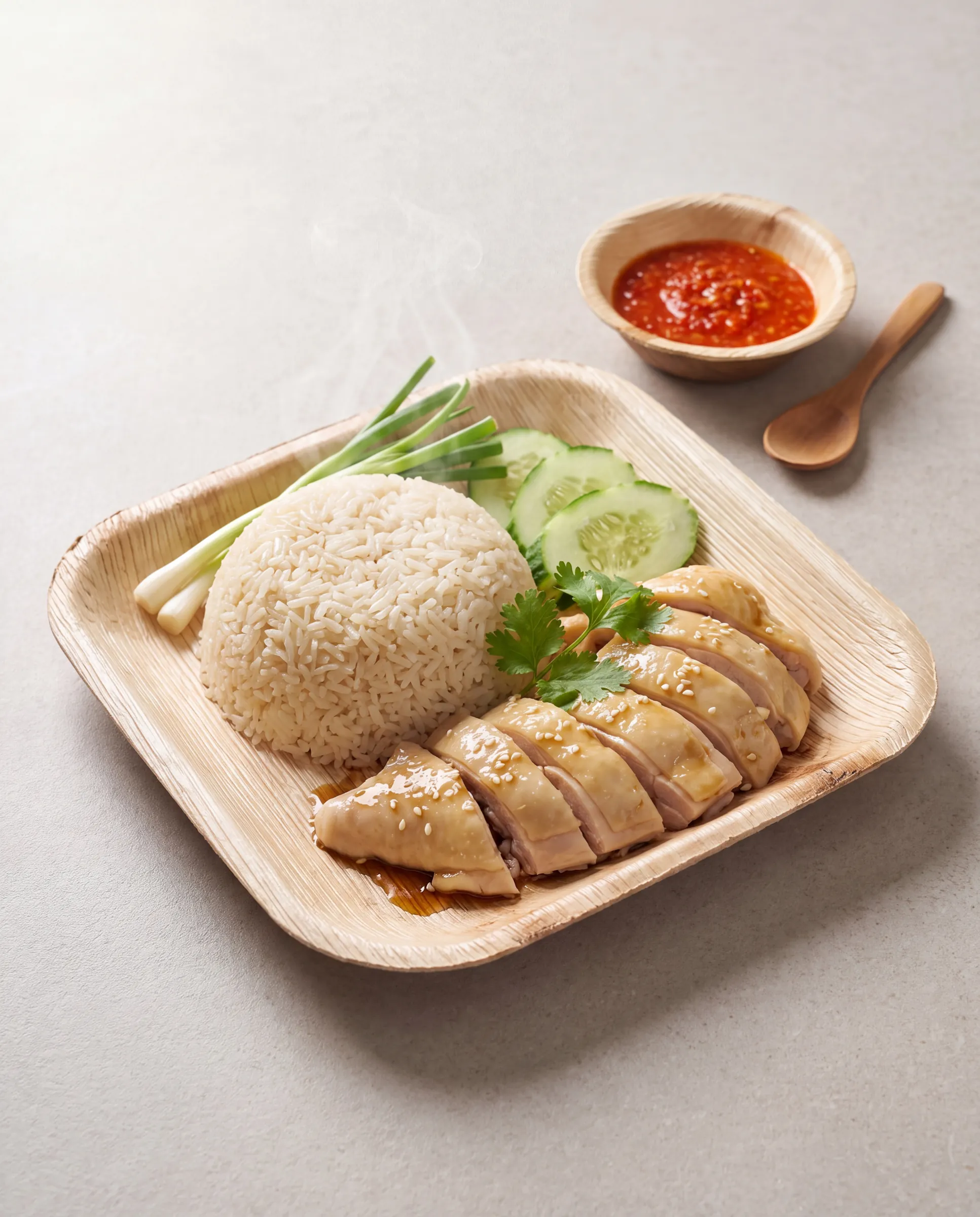
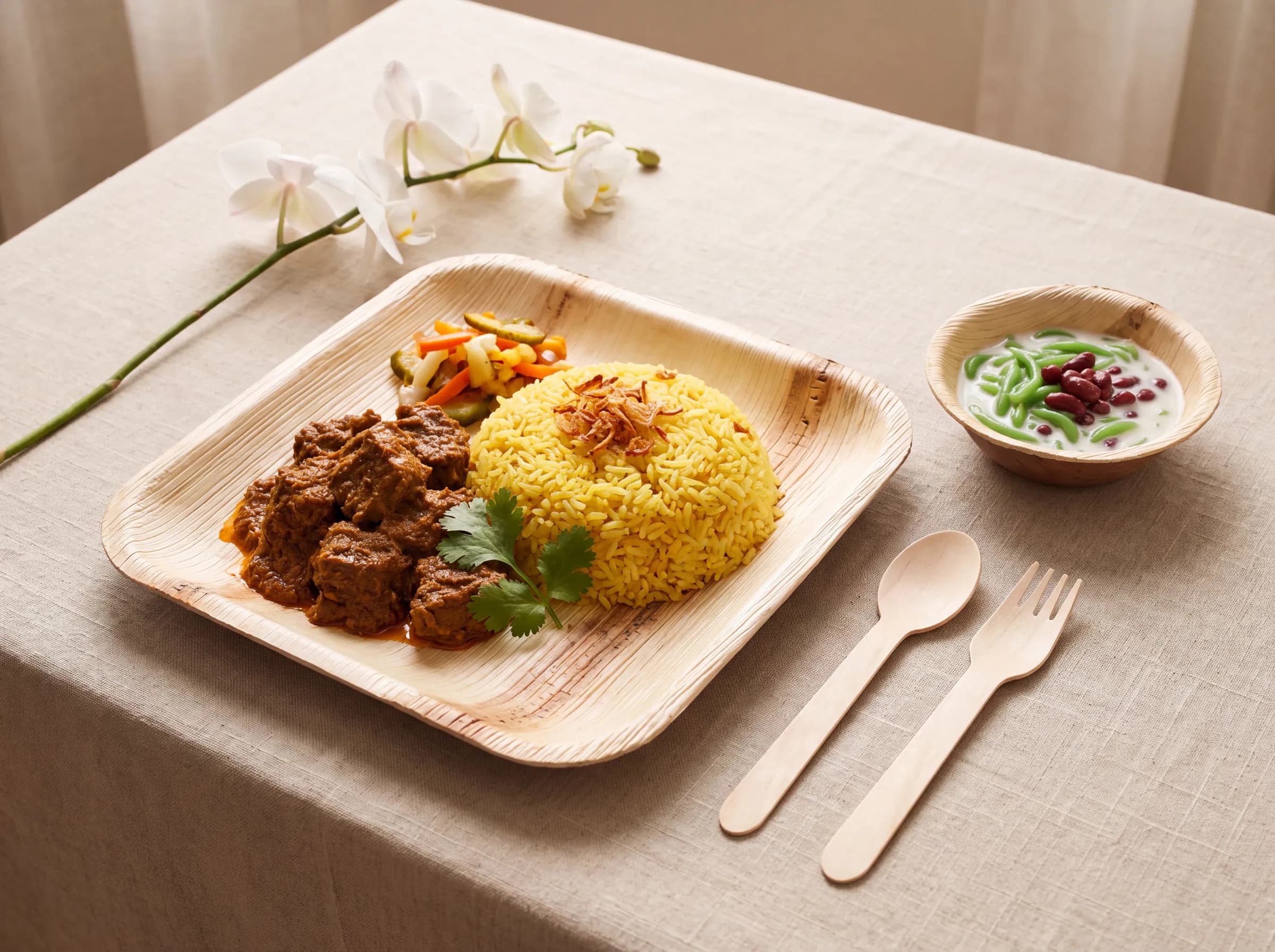
- Look. Wooden cutlery sits well with leaf plates and bowls on a buffet or wedding table.
- Storage. Wood is a plant material, so keep cartons in a cool, dry room, off the floor. Keep pieces wrapped until use and use older stock first. There is more on this in our storage guide.
Wooden, plastic and cornstarch cutlery compared
| Wooden | Plastic | Cornstarch (PLA) | |
|---|---|---|---|
| Made from | Wood, a plant material | Fossil-based polymers | Plant starch made into a plastic |
| After use | Breaks down in compost. General waste if there's no compost collection | Does not break down in compost. General waste | Generally needs an industrial composting facility. Check with your waste collector |
| Feel | Light, matte, dry | Smooth and familiar | Similar to plastic |
| On the table | Matches leaf and wood tableware | Plain and uniform | Looks like plastic |
For most event and café use, wood is the straightforward swap. It replaces plastic piece for piece and can go into compost collection where there is one.
Satva's wooden spoon, fork and chopsticks
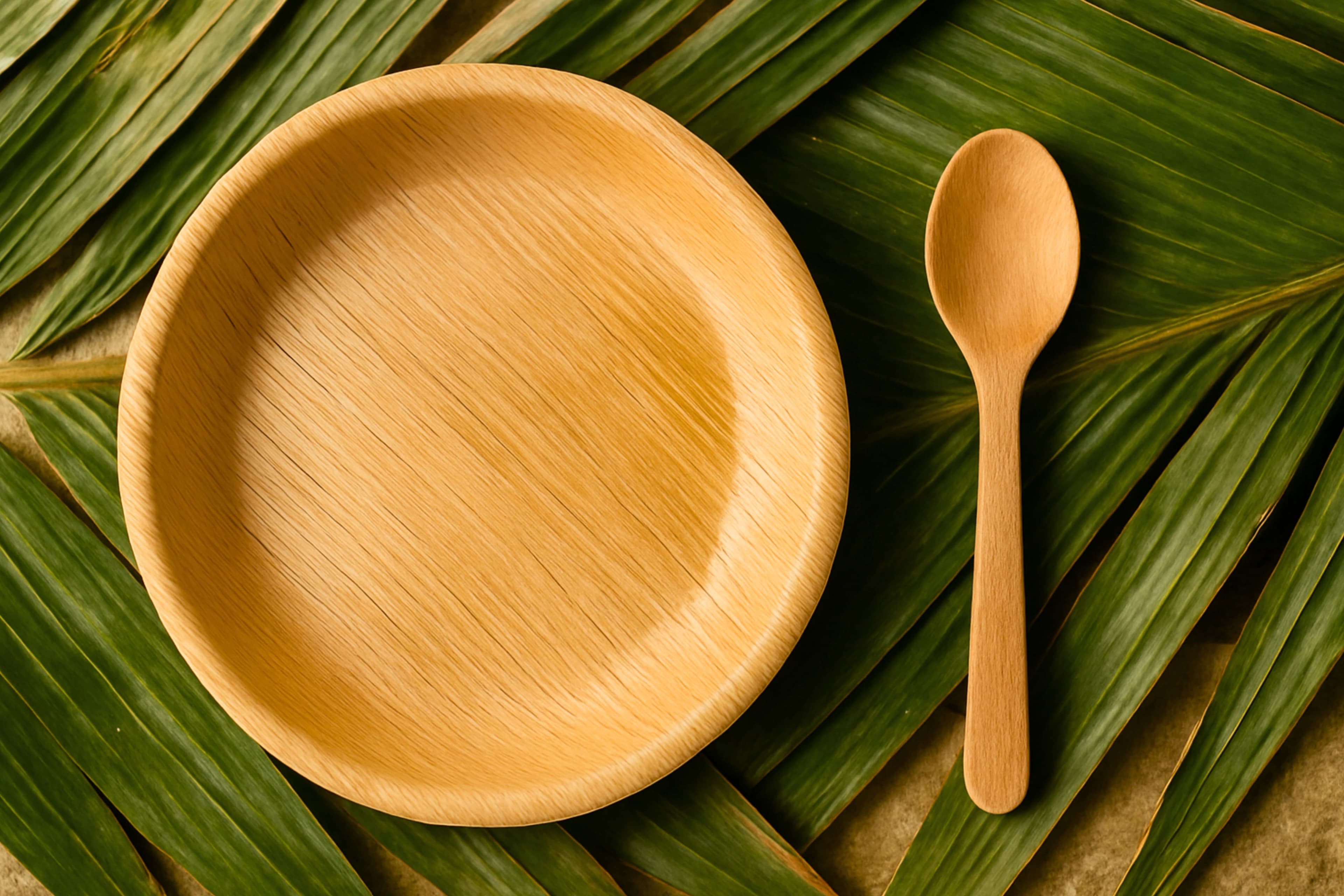
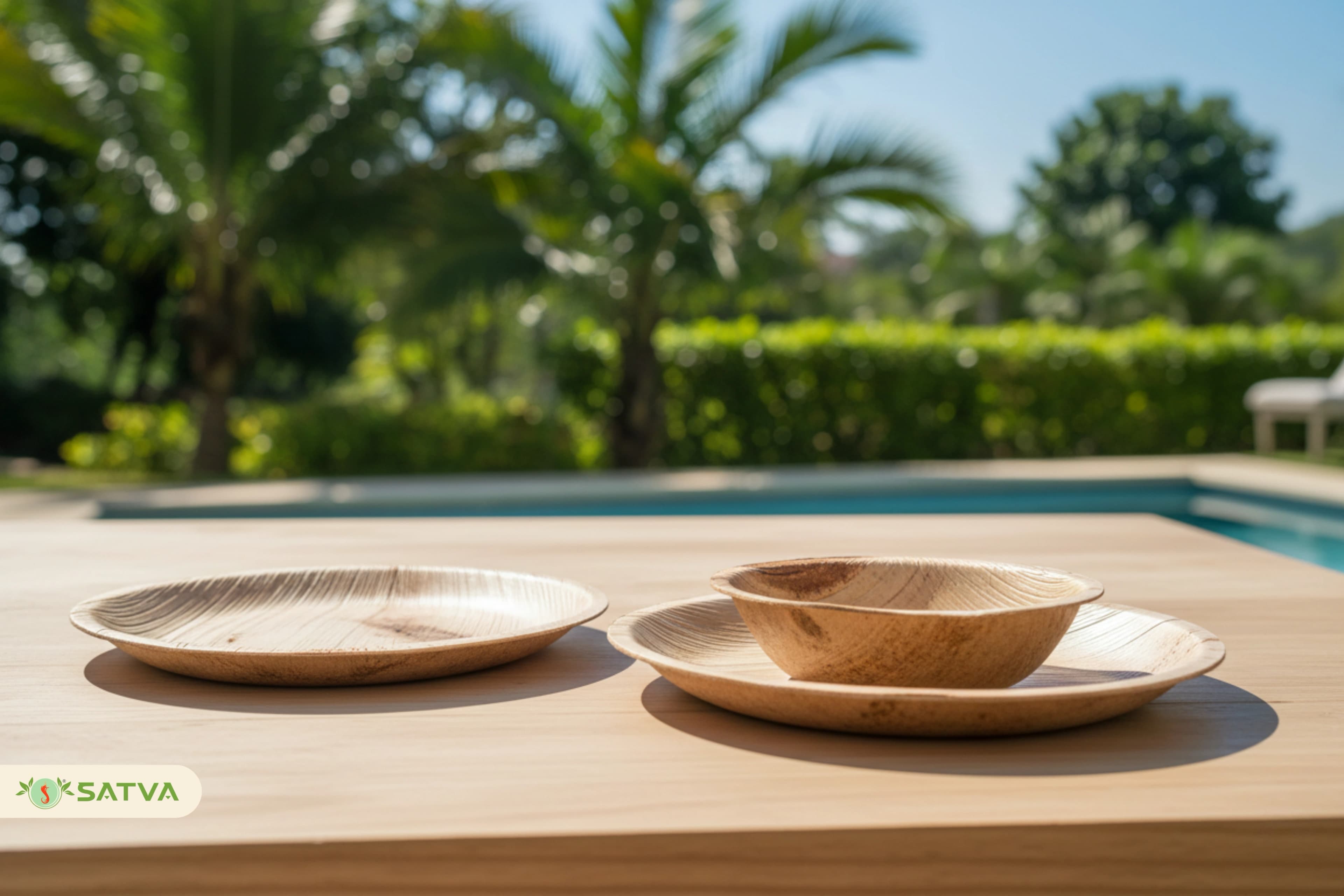
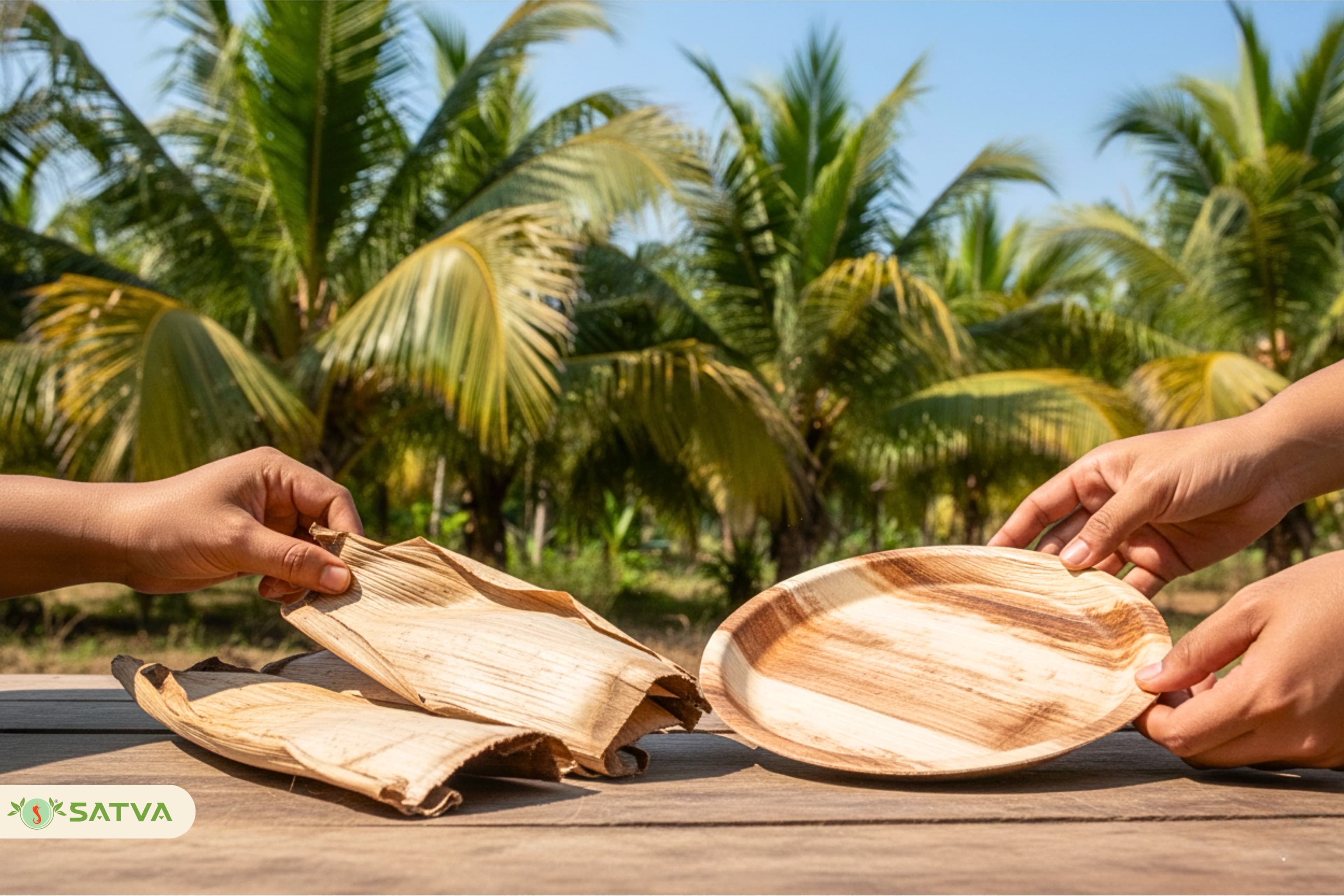
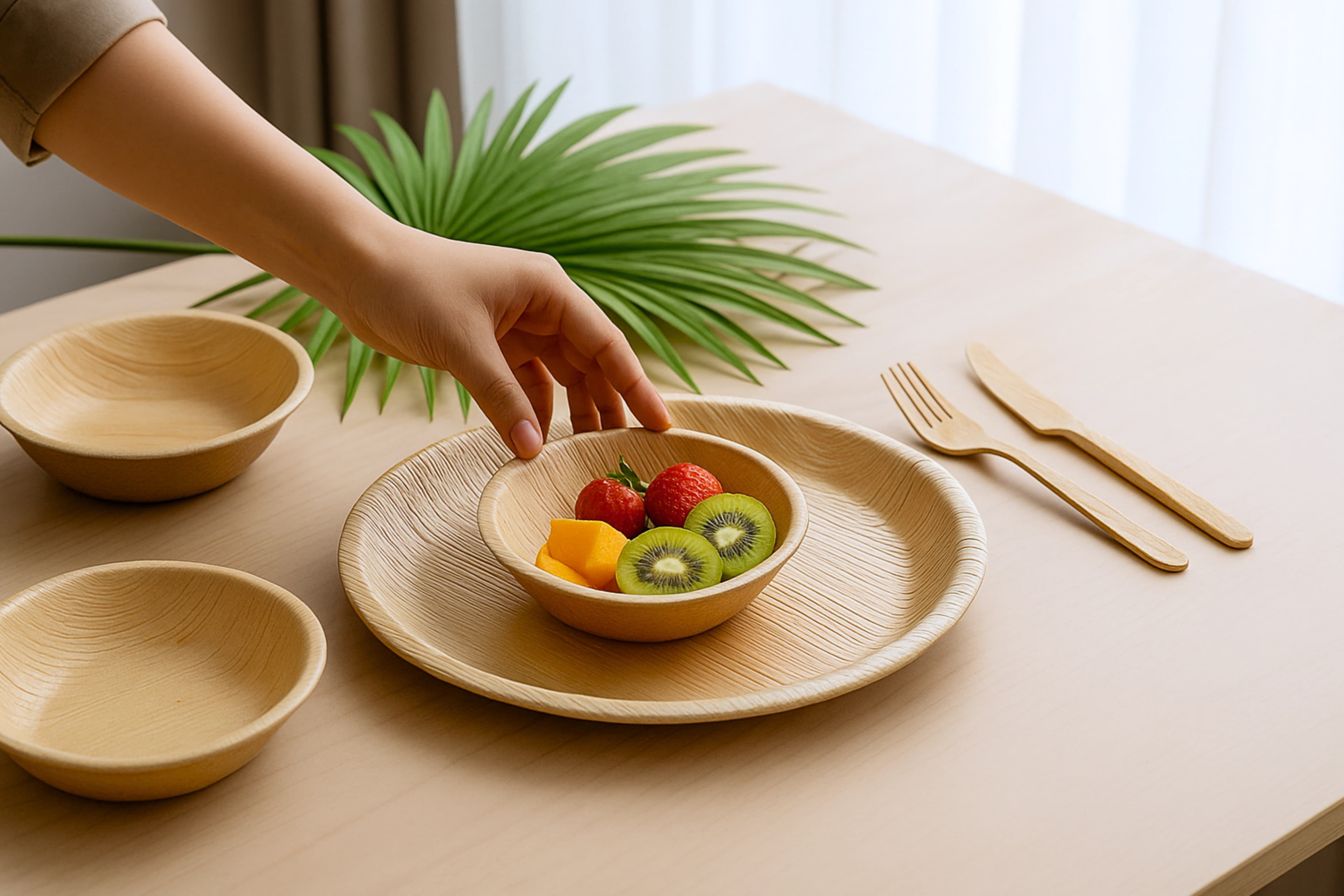
Satva's cutlery is wood. We don't make cutlery from areca leaf: our areca leaf range is plates and bowls, and the wooden spoon, fork and chopsticks are what we supply to go with them.
The cutlery comes 2,000 pieces to a pack. Ask about the wood type when you request a quote.
Pairing the cutlery with areca leaf plates and bowls
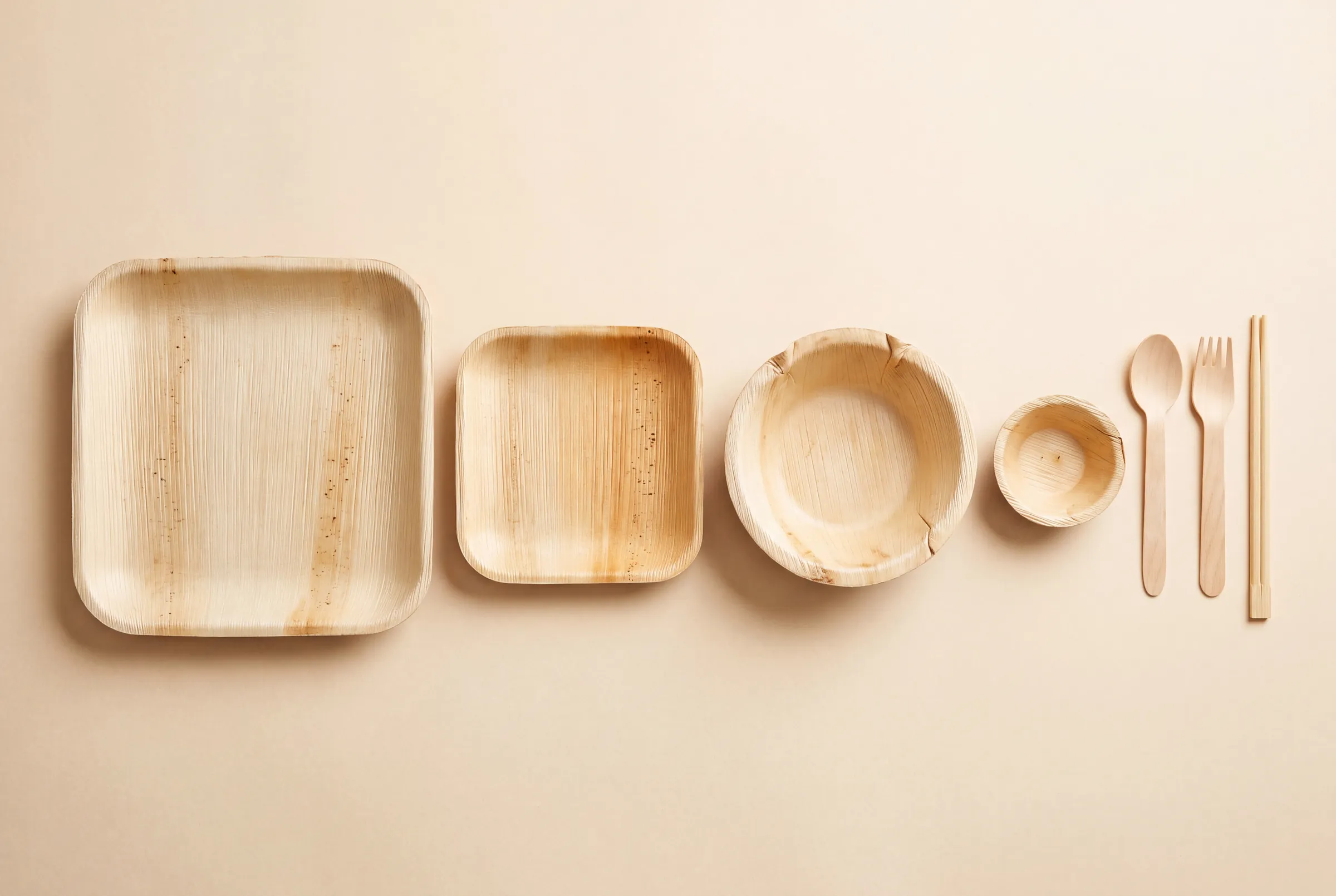
Ordering cutlery with plates and bowls means one delivery covers the whole table:
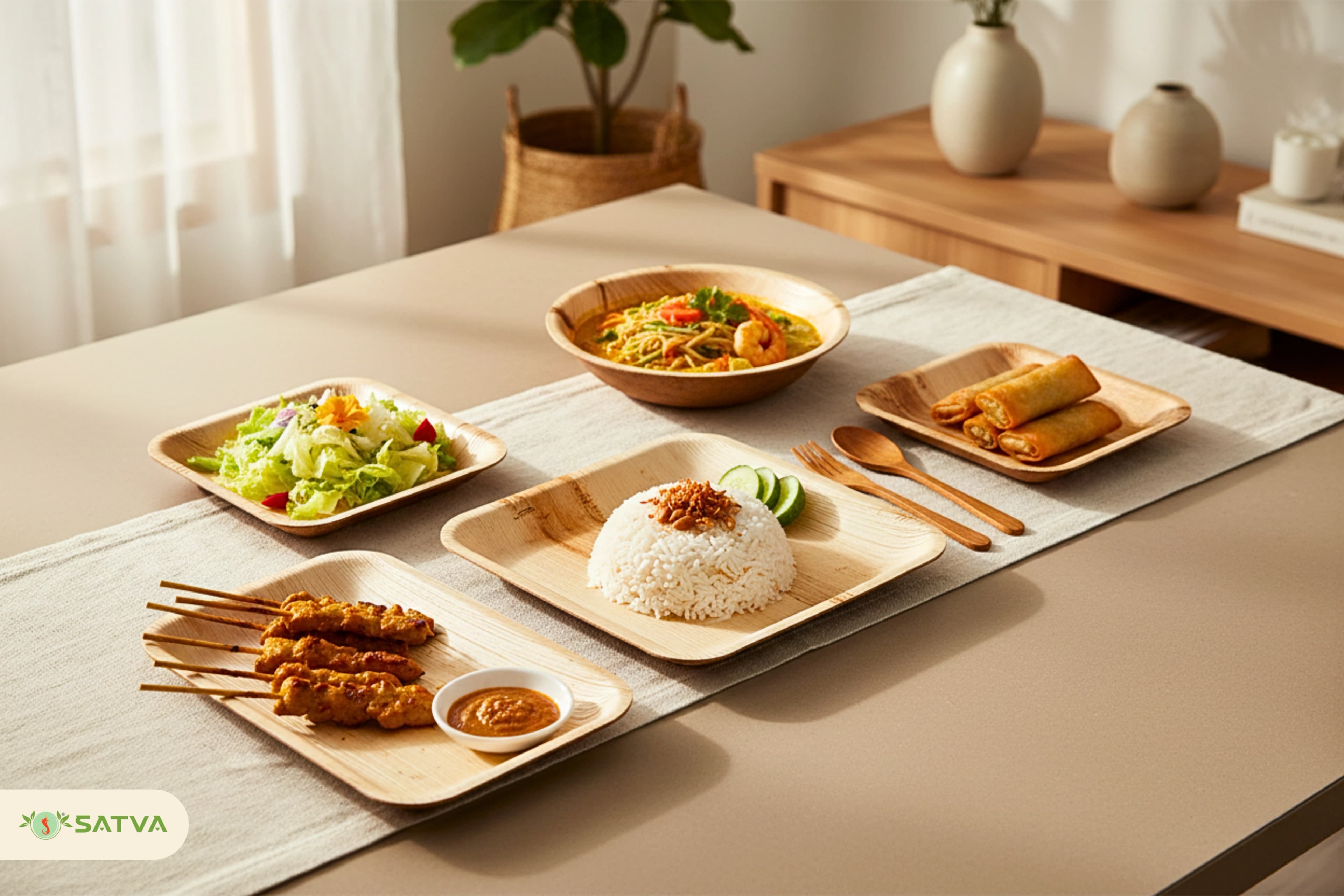
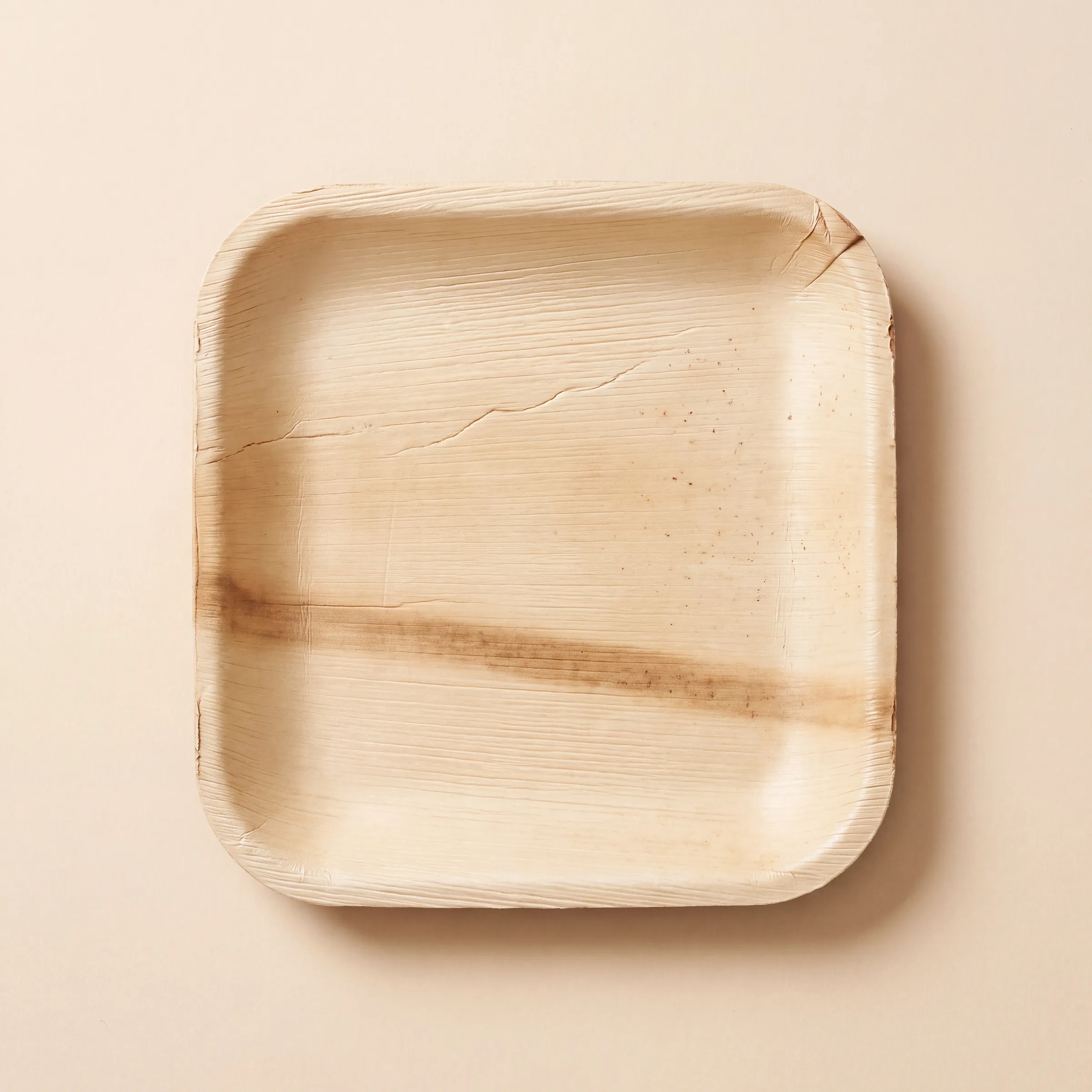
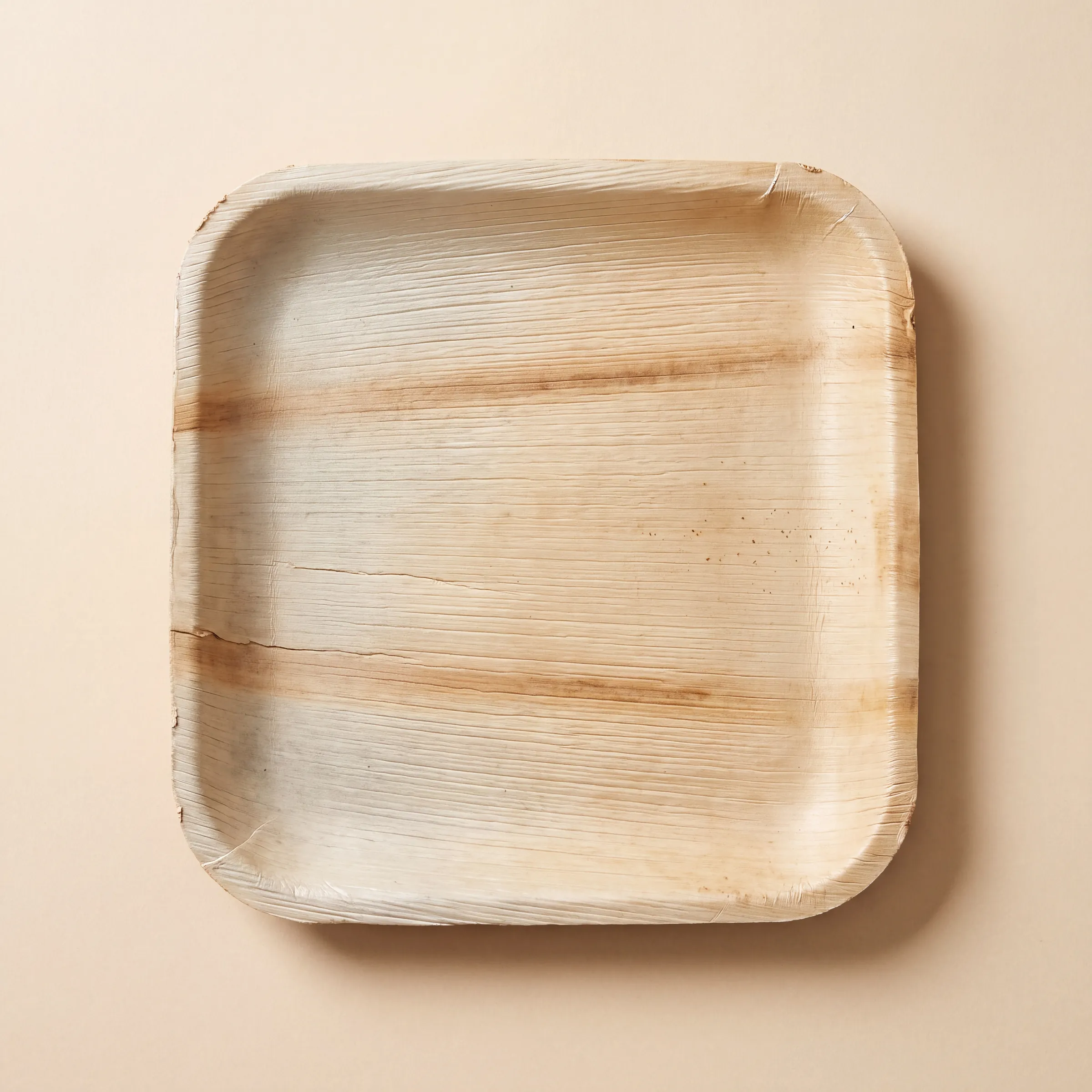
- The Square Plate (8 × 8 in, 200 per pack) with a fork or chopsticks for mains, rice sets and buffets.
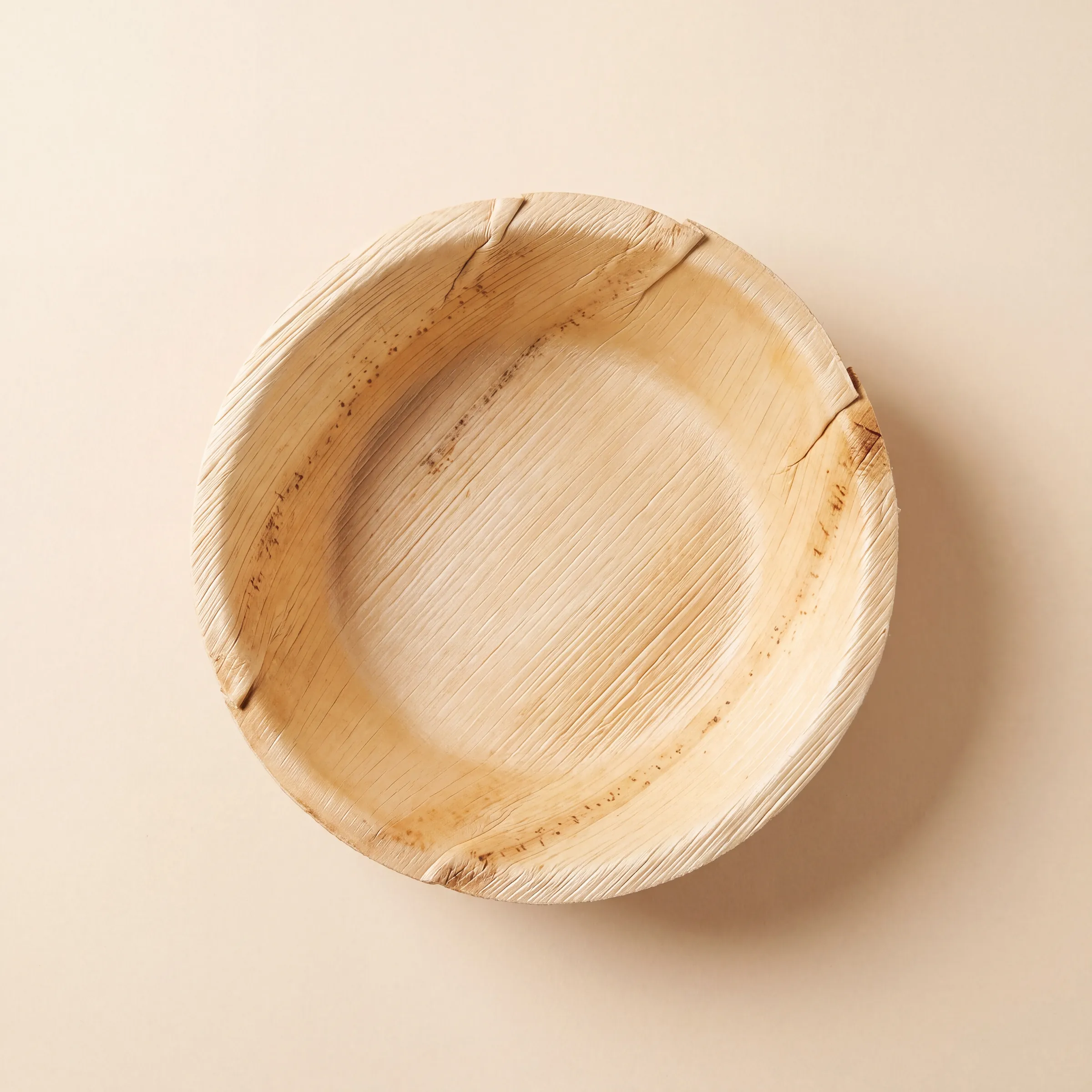
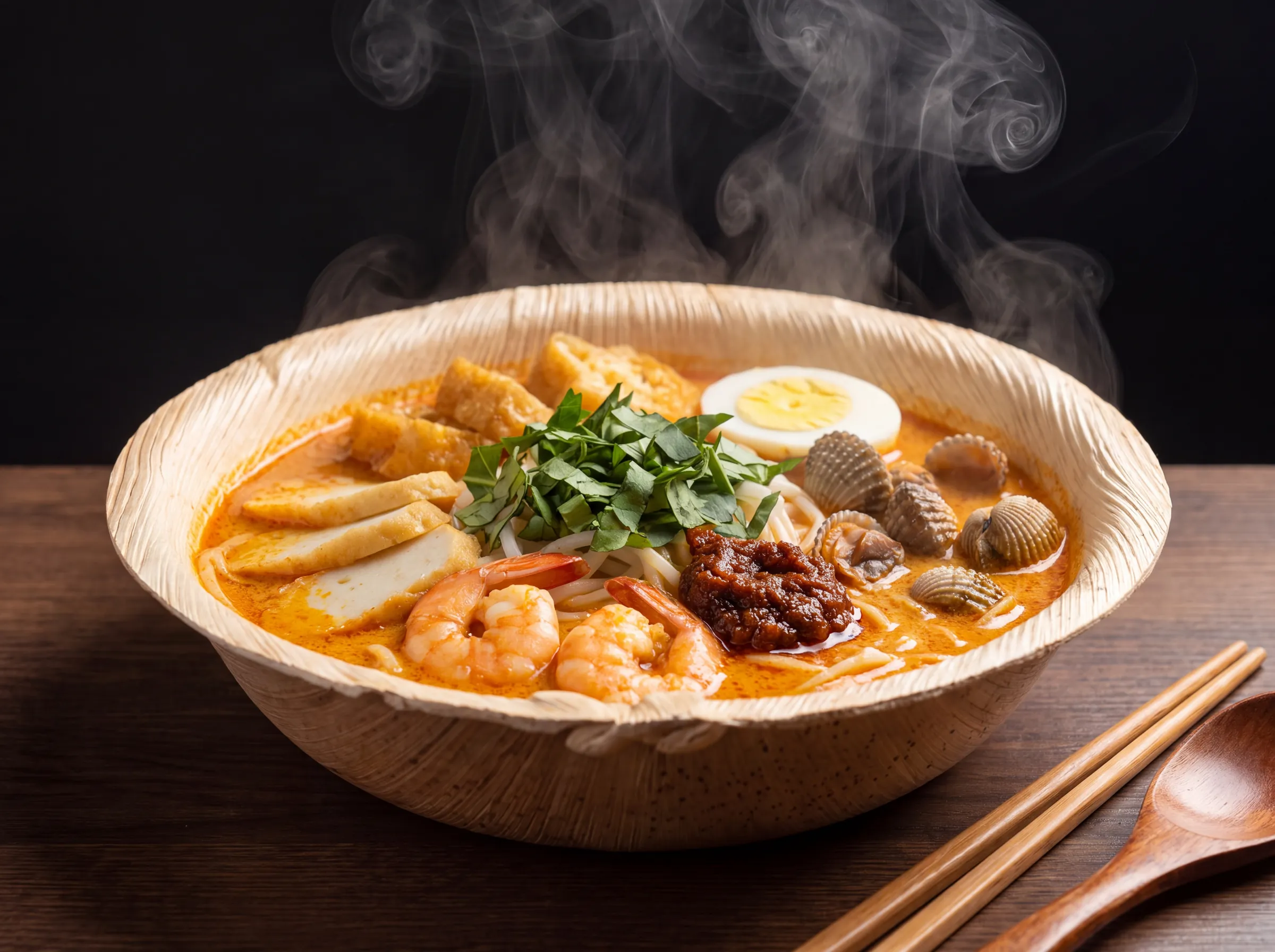
- The Big Bowl (750 ml, 200 per pack) with a spoon and chopsticks for laksa, noodles and curry.
- The Veg Bowl (300 ml, 500 per pack) with a spoon or fork for salads, fruit, sides and desserts.
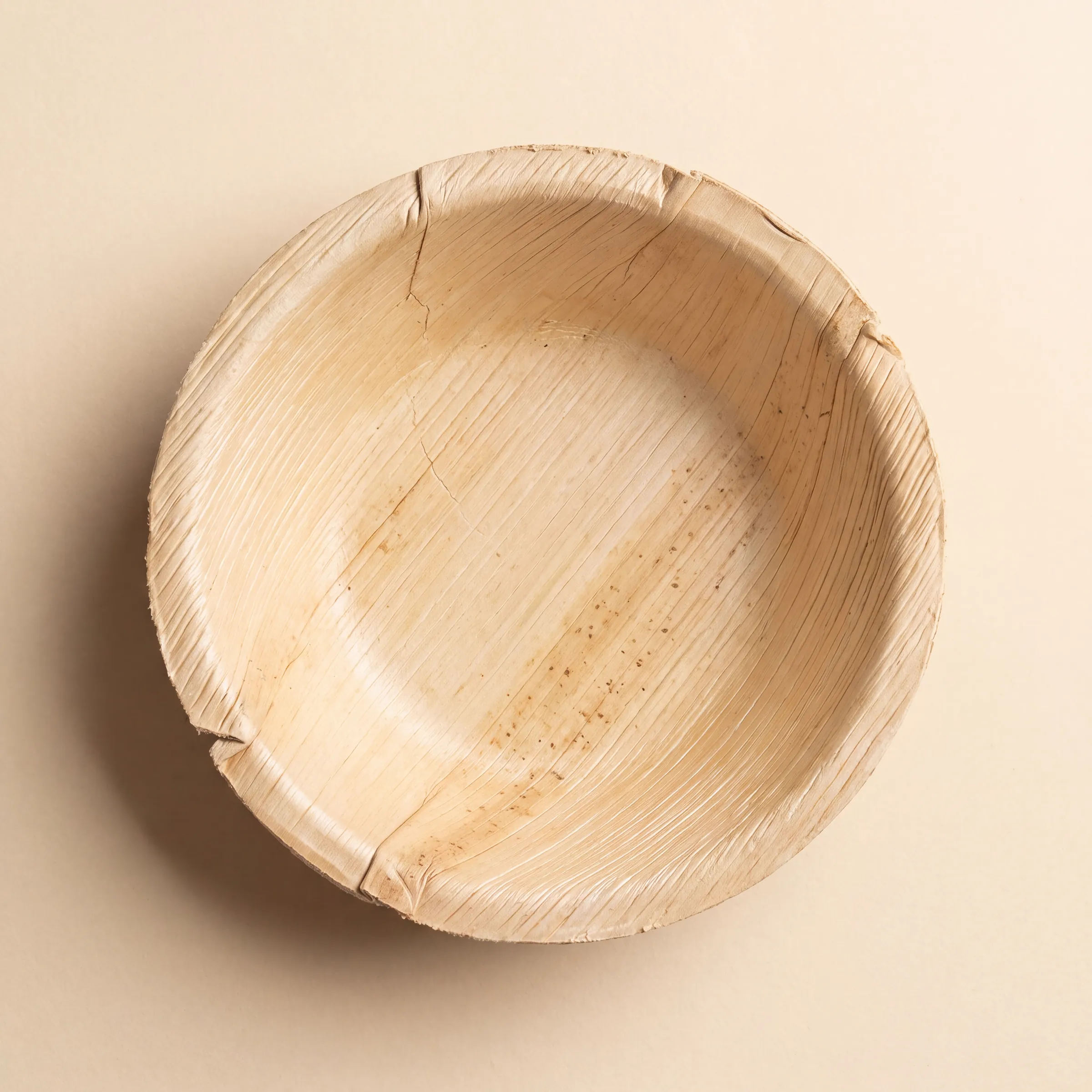
The plates and bowls are made in an ISO 9001 certified factory. We test every size with hot gravy, and every plate and bowl holds it without leaking.
Where it fits
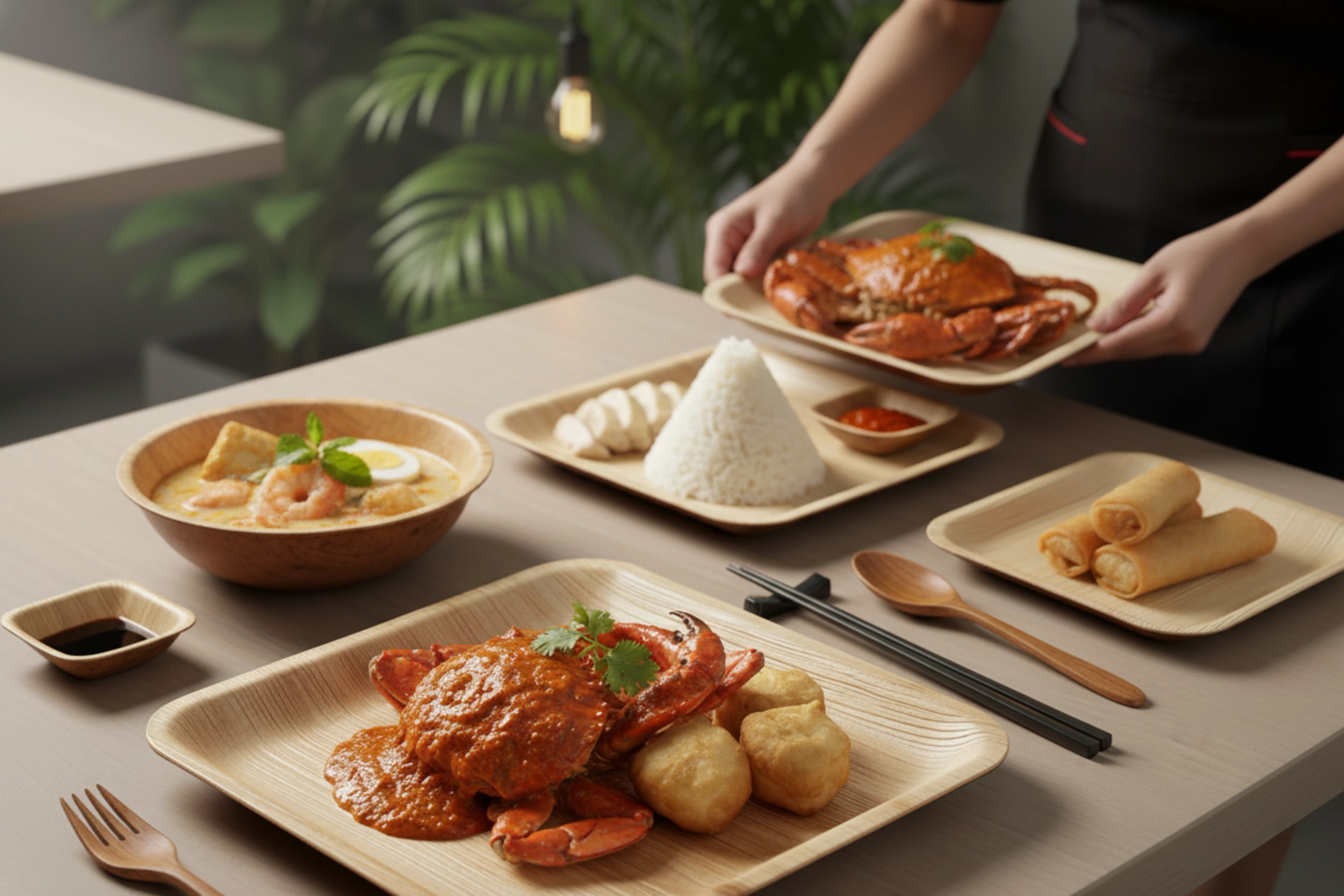
- Weddings and events. A wooden set at each place or at the buffet station, matched to leaf plates. See our page for weddings and events.
- Cafés and restaurants. Takeaway and dine-in service where you want to stop using plastic cutlery.
- Caterers. Buffets and drop-off orders, with cutlery, plates and bowls in one order.
Send us your menu and headcount
We suggest the pieces and quantities, and reply with a quote and a delivery date.
In short
Wooden cutlery is a sound swap for plastic. It is a plant material and breaks down in compost, where plastic does not. For businesses, the practical points are getting it to compost collection where there is one, storing it dry, and matching the pieces to the menu.
Satva supplies wooden spoons, forks and chopsticks to go with its areca leaf plates and bowls. Send your quantities and dates, and we will come back with a quote.
Frequently asked questions
Is wooden cutlery better for the environment than plastic cutlery?
Wood is a plant material and breaks down in compost. Conventional plastic cutlery does not. That makes wood the simpler material to deal with after a meal, as long as it reaches compost collection. If there's no compost collection, put it in general waste.
Is cornstarch cutlery compostable?
Cornstarch cutlery is usually made from PLA, a plant-based plastic that generally needs an industrial composting facility to break down. Check what your waste collector accepts before you choose it.
Does Satva make areca leaf cutlery?
No. Satva's plates and bowls are made from fallen areca leaves. Its spoons, forks and chopsticks are wood, chosen to go with the plates and bowls.
Where can businesses buy disposable wooden cutlery in Singapore?
Satva supplies wooden spoons, forks and chopsticks in packs of 2,000 to event planners, cafés, restaurants and caterers in Singapore. We quote per order: send your quantities and dates through the Get a quote page or on WhatsApp.
How should wooden cutlery be stored?
Keep cartons in a cool, dry room, off the floor. Keep pieces wrapped until use and use older stock first.